What is a Generator and How Does it Work?
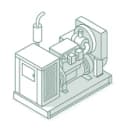
A generator is a machine that converts mechanical energy into electrical energy. Generators, which can produce electricity using different energy sources, can work with various mechanical power sources such as steam turbines, water turbines, internal combustion engines and electric motors.
Usage Areas of Generators
Generators, which convert mechanical energy into electrical energy through a rotating shaft, cater to a wide range of applications. Offering a reliable solution for electricity generation, generators are frequently used in;
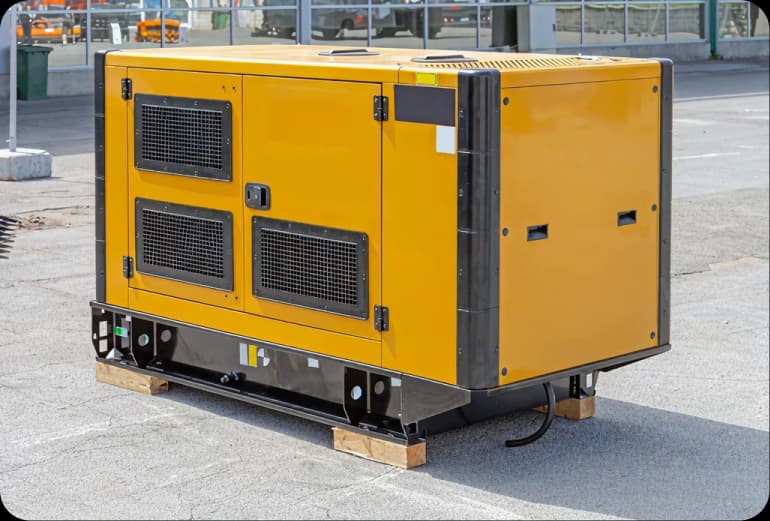
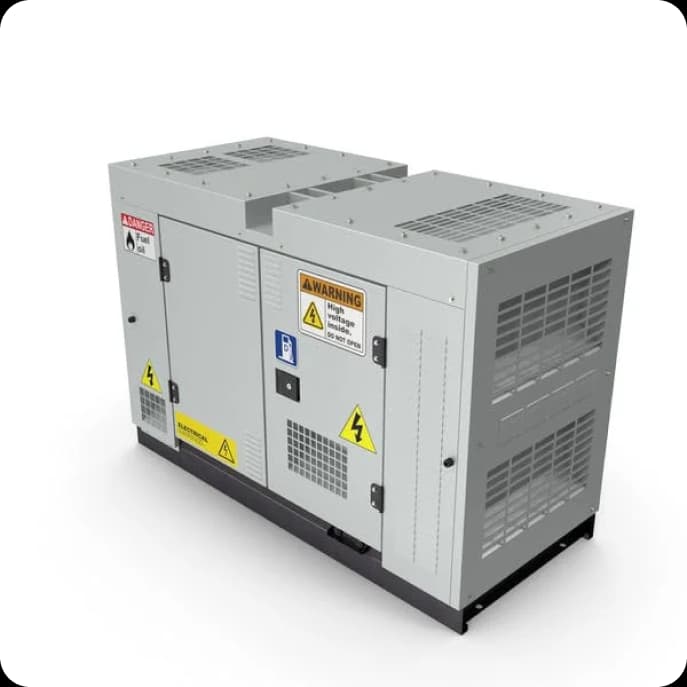
Usage Areas of Generators
Generators are indispensable, especially in areas like hospitals, factories and data centers where power outages can lead to significant financial losses.
Advantages of Generators
Generators provide uninterrupted energy by converting mechanical energy into electrical energy and offer various advantages:
Uninterrupted Energy: Provides continuous energy when electricity is cut.
Portability: Can be moved wherever needed.
Various Energy Sources: Can run on different sources like gasoline, diesel and wind.
Vital in Emergencies: Offers uninterrupted energy in critical areas.
Economic Solutions: Can be more economical when energy from the grid is expensive.
Energy Independence: Eliminates dependency on the central grid.
Quick Start-up: Can be used instantly.
Remote Control: Allows for remote monitoring and management.
Low Operating Costs: Offers low costs with renewable sources.
Modular Structure: Can be scaled according to capacity needs.
Generators offer reliable and flexible energy solutions in various fields.