What is Compensation?
Devices such as electric motors, transformers and coiled circuit elements draw inductive reactive power from the grid during their operation due to the effect of magnetization. This causes the current to move out of sync with the phase, meaning the current lags. The processes performed to balance this effect, which reduces the efficiency of the system, are called compensation. The main purpose of compensation is to increase energy quality and minimize system losses by meeting the reactive power on-site.
Compensation Methods?
1. Dynamic Phase Shifters (Synchronous Motors)
Synchronous motors, which can both perform work and provide reactive power simultaneously, can be used as phase shifters. However, if they are used solely for compensation purposes, they are not economical due to their high cost.
2. Static Phase Shifters (Capacitors)
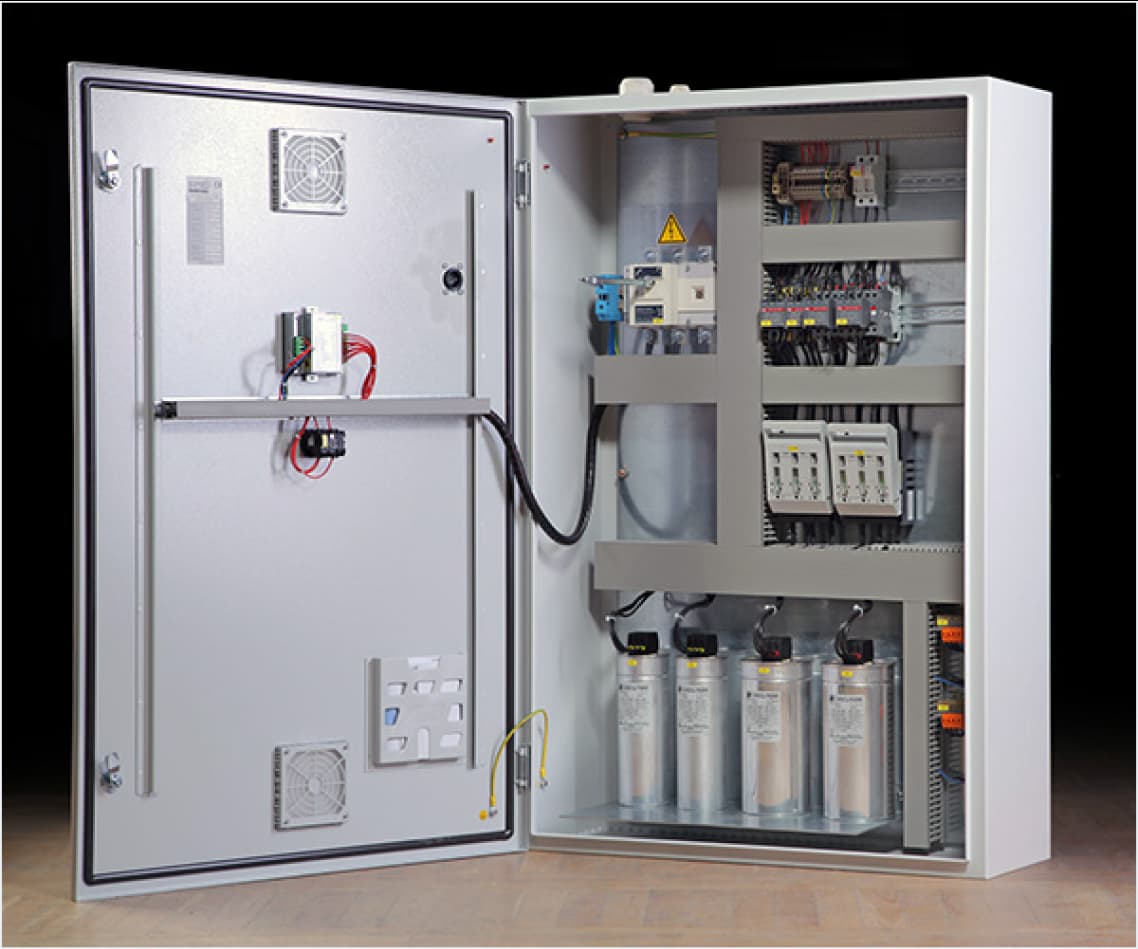
The most common and economical solution in reactive power compensation is capacitors. These elements, which work as static phase shifters, are preferred due to their low maintenance requirements and cost-effectiveness. They are positioned as single-phase or three-phase according to the system's needs.
Why is Compensation Necessary?
The reactive power generated during the transmission of electrical energy is a type of power that does not do work but causes losses in transmission lines, transformers and other equipment. Loads such as motors, fluorescent lamps and transformers connected to the grid are inductive in character and draw reactive power. This leads to: Overloading on transmission lines, Energy losses, Voltage drops, Reduction in the capacity of transformers and cables. The transportation of reactive energy from the power plant to the consumer creates a serious economic burden on the system. Measurements show that an additional 75% to 100% of reactive energy is transported for the active energy carried. Therefore, reactive power should be compensated at the point closest to where the load is generated, for example, at the panel level.
What Happens Without Compensation?
Compensation Measurement and Analysis
The Importance of the Reactive Power Control Relay
A correctly chosen reactive relay: Monitors the reactive load changes in the system instantly, Automatically engages or disengages the necessary capacitor stages, Compensates each phase separately, Detects faulty or idle capacitors, Allows for retrospective analysis. An incorrect relay choice, on the other hand, reduces the effectiveness of the compensation, decreases energy efficiency and leads to penalties.
Filter Application and Protection Against Harmonics
In modern electrical systems, harmonics have become a serious problem, especially with the widespread use of frequency-controlled motor drives, UPS systems and LED lighting. Harmonics cause capacitors to overheat and fail prematurely. In such systems, filtered compensation should be preferred. Especially against the risk of resonance, capacitors produced with All Film technology and equipped with fuses should be used and supported by harmonic filters. This combination ensures stability in the system and extends the life of the capacitors.